Blog | Reading Time 4 minutes
Silage Sampling and Analysis: How to Collect Samples and Interpret Forage Test Results
Sampling Accuracy Leads to Reliable Results
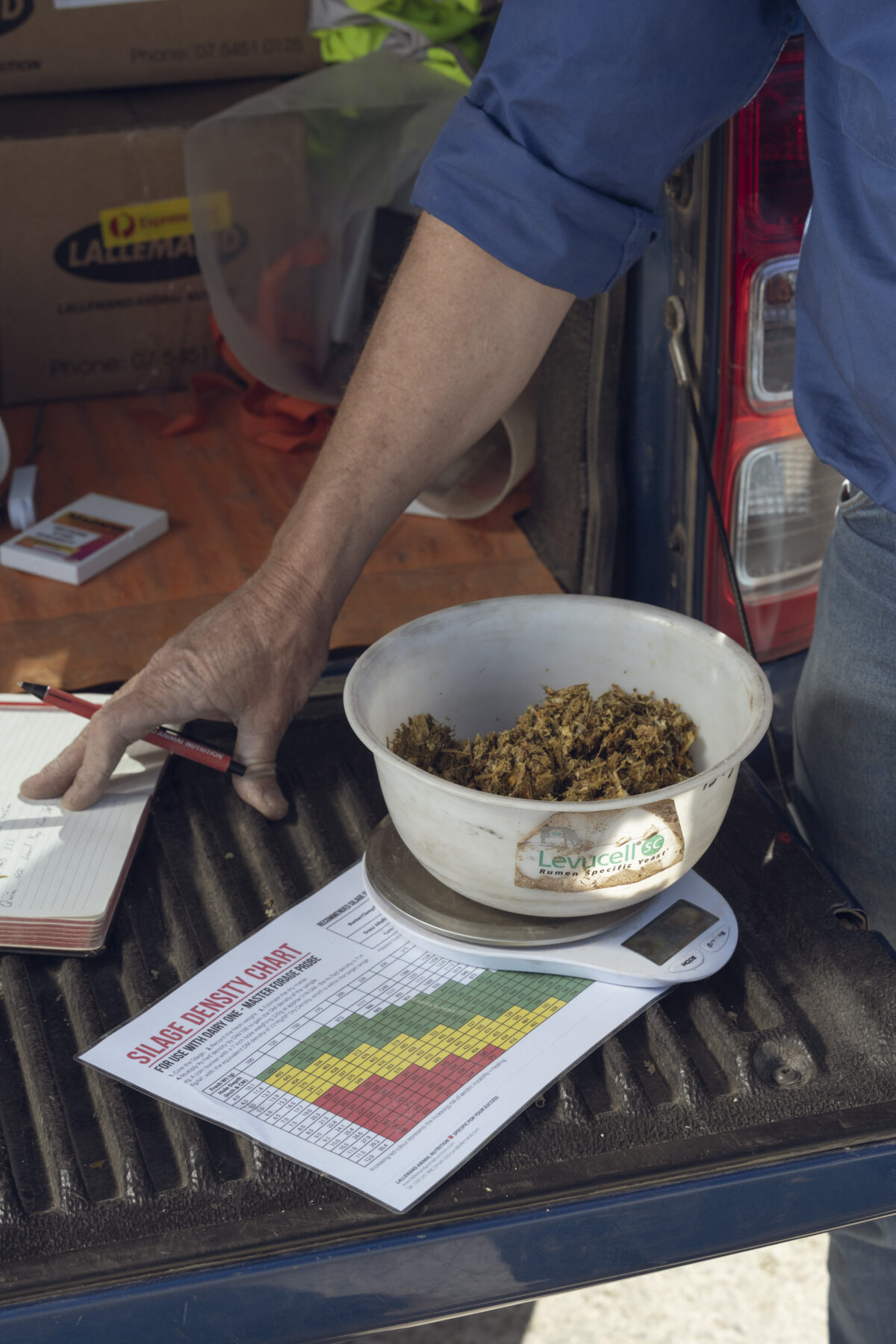
Forage analysis is critical to developing a balanced ration, and collecting a proper sample is the first step toward meaningful results. The goal of silage sampling is to obtain a representative sample of all silage being fed, recognizing that silage can vary considerably within the same storage structure.
How to Collect a Representative Silage Sample
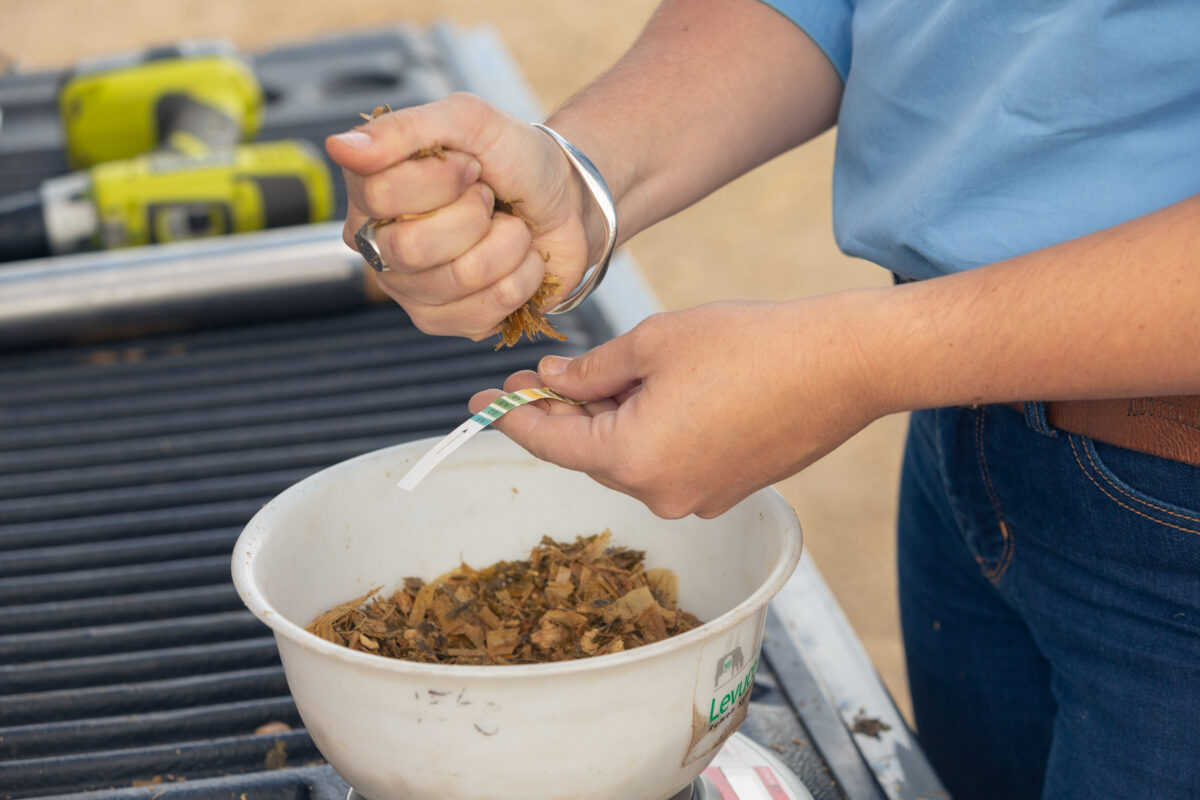
The safest and most effective way to collect a silage sample for analysis is to subsample feed that has already been removed from the silo face and mixed. This approach better represents what is being fed.
- Collect feed evenly from across the silo face.
- Mix thoroughly to create a uniform pile.
- Take small samples from at least 10 locations, including fine particles.
- Combine in a bucket to create one composite sample and submit for analysis.
Getting a representative sample will provide accurate, timely analysis to fine-tune rations, which helps producers maximize production while minimizing feed expenses. Results from forage analysis aren’t just for ration formulations. The numbers can also help producers adjust management processes to avoid future problems altogether.
Evaluating Results of the Analysis
The results of forage analysis can be useful; for instance, it can show if the crop was harvested correctly or if silages are prone to spoilage. It is important to review the following parameters:
- Dry matter (DM): Lower levels, especially in alfalfa or other high protein silages, can compound issues like clostridia contamination. Lower levels also require more acid production and a lower pH for stability.
- pH: Lower levels do not necessarily make better quality silage. Forage analysis should show pH stabilization through proper production and balance of organic acids, even if it’s achieved at a higher level (e.g. high DM crops).
- Ash: Internal levels in the plants should be around three to eight percent (DM basis), depending on the crop. Higher numbers can indicate slurry or dirt contamination, which introduce undesirable microorganisms and increase the buffering capacity.
- Acid Detergent Insoluble Crude Protein (ADICP): High levels of bound protein (ADICP, greater than 10 percent of the CP) show there has been heating in the silage.
- Soluble protein and ammonia-N: High contents indicate there has been excessive protein and amino acids breakdown. This can occur due to prolonged wilting in the field, low DM crops, or inefficient silage fermentation, for example.
- Lactic acid: This is the main driver for pH drop and should be at enough content for the silage pH to rapidly stabilize. This number can vary with the crop ensiled (sugars available for fermentation and buffering capacity), and DM level.
- Acetic acid: Plays an important role in preventing heating and spoilage at feed-out when generated through controlled fermentation by Lactobacillus buchneri and/or L. hilgardii. In contrast, acetic acid produced by other microbial pathways is often associated with inefficient fermentation and reduced silage quality.
- Butyric acid: The main source is clostridial fermentation, which is present on the crop in relatively small numbers at harvest. Soil or slurry contamination can dramatically increase these numbers. Besides butyric acid, which can give the silage a foul smell, clostridia can also break down proteins and produce biogenic amines (cadaverine, putrescine, histamine) that can affect herd health and present odors associated with decay.
- Ethanol: Strongly correlated with yeast activity, it can also be produced by heterolactic bacteria, especially if the contents of lactic and acetic acids are reasonable and ethanol is low. If the level is high, look at the bound protein (ADICP) concentration – if elevated (> 10%CP), then there has been heating and ethanol most likely came from yeasts.
There is no single number that indicates ‘good’ silage. Silage is a very complex biological system with inherent variability. The extent and type of fermentation achieved will depend on whether an effective, research-backed inoculant was used and the efficacy of management across the entire ensiling process. Still, forage analysis results can help producers understand what happened during harvest and ensiling and provide insights on how to support feedstuff quantity and quality the next time.
Published Mar 11, 2026