Blog | Reading Time 3 minutes
Managing High‑Moisture and Immature Corn Silage
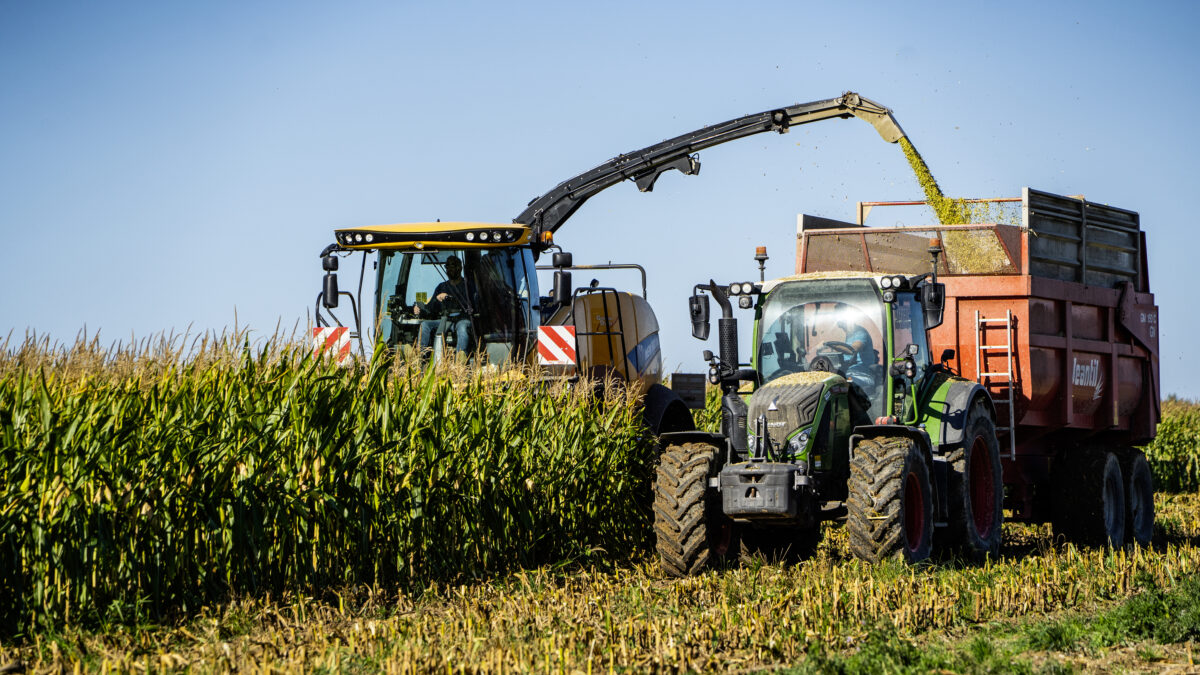
Corn silage ensiled at higher moisture levels, often around 30% dry matter (DM) or less, can exhibit unique fermentation characteristics and visual differences. Under these conditions, wet corn silage may differ noticeably in appearance and fermentation behavior. This blog outlines what producers can expect from this type of crop and key considerations for managing it in the silo and ration.
Characteristics of Wet Corn Silage
Immature corn silage may exhibit:
- Different coloration including a brighter yellow coloration, especially in the wetter, bottom portions of the silo
- A strong acidic or vinegar‑like odor, depending on acetic acid concentration
- Excessive seepage or effluent, which can reduce soluble nutrient content
Wet and immature corn silage typically packs very well, which helps limit air penetration and reduces the risk of heating at feed-out. However, higher moisture often drives a longer, more active fermentation, resulting in elevated core temperatures.
Nutritional Considerations for Immature Corn
Immature corn plants typically contain:
- Higher levels of soluble sugars
- Lower starch concentration
- Proportionally higher fiber and protein content
Although fiber digestibility may be improved due to the stage of maturity, the overall feed value is often estimated at 85–90% of normal corn silage1. When purchasing or incorporating immature corn silage into a ration, its value should be adjusted based on dry matter and starch content. Remember, soluble and degradable protein fractions, including ammonia‑N, are usually higher than normal and tend to increase with storage time. This can influence the rumen and may require additional starches or sugars to maintain a balanced nutrient profile.
Nitrate Risk and Ensiling Safety
Frost‑damaged corn presents a higher risk of nitrate accumulation, particularly when temperatures remain below 32°F for several hours. Drought conditions can also lead to nitrate accumulation; there were regions in the Northeast U.S. that were under drought conditions and had rain events around harvest time (which increases the likelihood of nitrates accumulation). Nitrate levels can be reduced by 40% after the ensiling process, but that can result in high concentration of silo gas (NO2)2.
Sampling and Analysis
Because every silage is unique, representative sampling is essential. Submitting samples for full nutrient and fermentation analysis allows for proper evaluation of silage quality and accurate incorporation into the final ration.
Key Takeaways
- High‑moisture corn silage can ferment aggressively and generate elevated core temperatures.
- Silage made from immature corn typically has lower starch and higher soluble protein than normal silage.
- Feed value is often 85–90% of normal corn silage and should be adjusted accordingly.
- Frost and drought conditions increase the risk of nitrate accumulation.
- Proper sampling and full analysis are critical before ration formulation.
References
- 1Black, J. R., S. Rust, G. Schwab, and D. Buskirk. 1997. Pricing and use of immature corn as silage for beef cattle. Michigan State University. Staff Paper #97-45.
- 2Rasby, Richard J.; Stock, Rick; Anderson, Bruce; and Schneider, Norman R., “G74-170 Nitrates in Livestock Feeding” (1974). Historical Materials from University of Nebraska-Lincoln Extension. 277.https://digitalcommons.unl.edu/extensionhist/277
Published Mar 11, 2026