Blog | Reading Time 4 minutes
Maize silage tips for 2025: feed value, risks and harvesting advice
Many dairy and beef farmers across the UK have faced a challenging maize growing season in 2025.
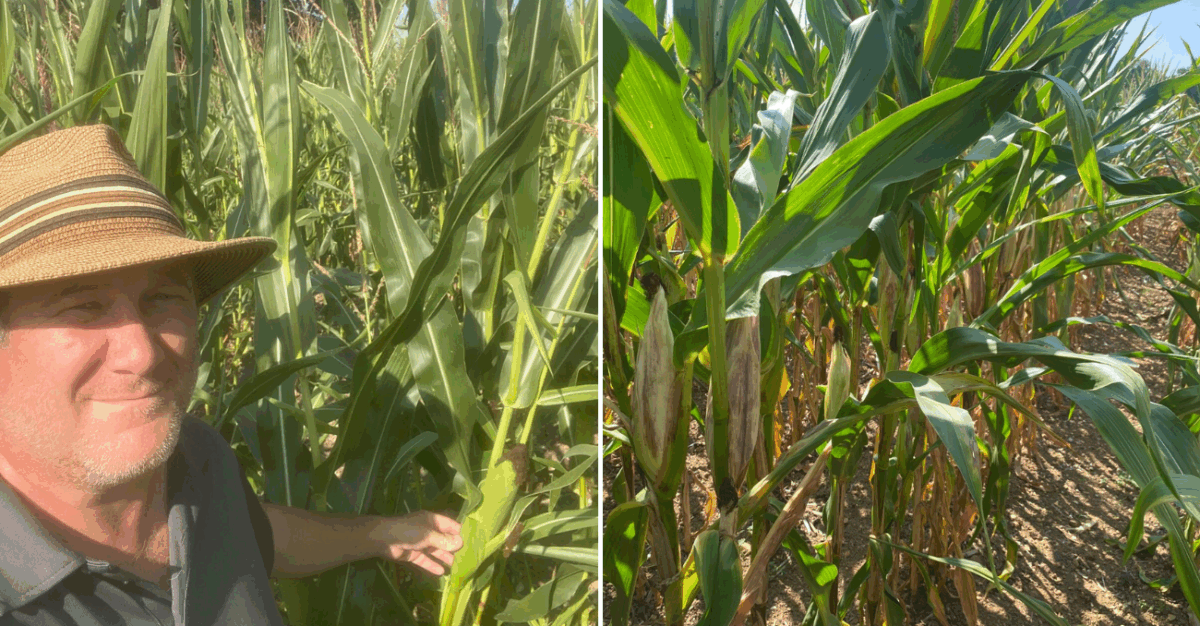
Exceptionally early maize harvests kicked off mid-August in Berkshire, Gloucestershire and Wiltshire – three weeks earlier than their usual cutting date.
John Thomas, our regional business manager for the South East, Wiltshire and West Midlands, was on the ground supporting these growers to make the most of maize yields.
“Across the UK, maize crops are especially variable this year – anyone with ground that is slightly less favourable has really struggled,” John explains.
“Some farmers are in a situation where they need to spend £50,000 on bought-in maize because it didn’t rain enough for their crop – and that’s without the grass silage that also needs buying in.” However, in other areas, particularly Wales and the North West of England, maize growers who were fortunate to see more rainfall are reporting much better yields.
What is the feed value of maize silage this year?
Maize silage remains one of the most energy-dense home-grown forages available to UK dairy and beef herds.
But this autumn, many farmers can expect to see reduced feed value of maize silage.
“For instance, 2025 yields across the South East, Wiltshire, and West Midlands are generally below average,” says John.
“The growing conditions were poor – due to the severe drought – and I’ve seen several instances of corn borer damage.
“Some maize crops I’ve seen look well on the headland but are actually much poorer through the middle of the field,” he explains.
This unevenness will translate directly into lower nutritional value.
John adds, “Farmers also need to be aware that maize is being cut at a significantly higher ambient temperature than usual. This will increase the risks of spoilage in an untreated clamp.”
Harvesting maize silage in 2025: What should farmers watch for?
John notes he has seen corn borer, smut, and increased dead material in standing maize crops.
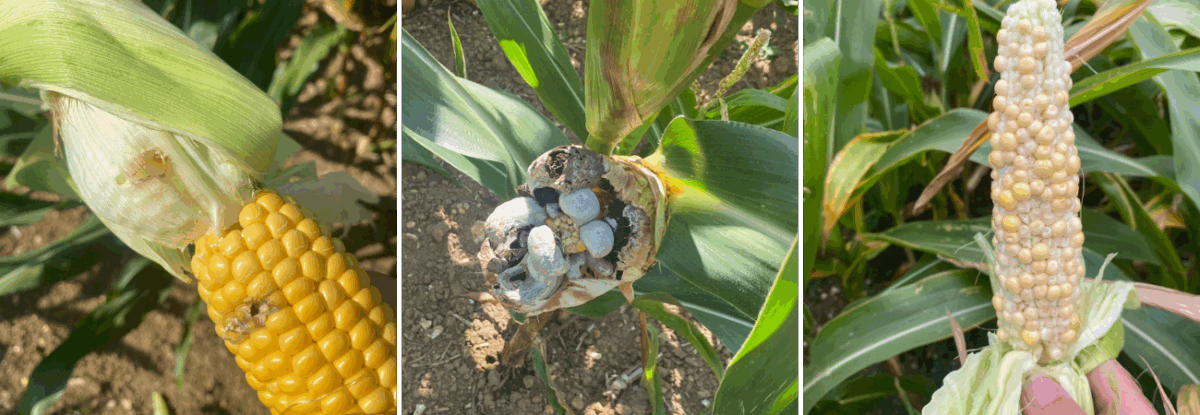
“These raise the risk of heating and spoilage in your silage clamp through autumn and winter,” he says.
“The potentially harmful yeast and mould levels need to be controlled by a crop- and condition-specific maize inoculant to ensure a good, stable fermentation.”
When it comes to feed-out, this will help deliver more feedable maize silage due to:
- lower dry matter losses
- less heating, so increased feed value
- reduced contamination from yeast and moulds
Check out our MAGNIVA range of crop- and condition-specific forage inoculants, which includes Magniva Platinum Maize Elite – specifically formulated for maize grown and harvested under challenging conditions.
What are the best maize silage tips for 2025?
Even in a challenging year, there are practical steps to protect the nutritional value and feed-out stability of maize silage.
- How can inoculants help protect maize silage this year? Using a crop- and condition-specific inoculant is essential if smut, corn borer, and high levels of dead material are present in your maize crop. It mitigates the risk of yeasts and moulds, which these crops are more prone to – ensuring a more stable fermentation and protecting the nutritional value of maize silage.
- Why is it important to seal the maize silage clamp quickly? With maize cut at unusually high ambient temperatures, clamps are at greater risk of spoilage, due to ideal growth conditions for yeast and mould. Sealing the clamp quickly after filling, using a true oxygen barrier film, helps prevent air from entering and maintain an anaerobic environment, reducing fungal growth and helping to stabilise the crop.
- How often should farmers monitor their maize silage clamps? Regularly check the clamp and re-check weights (e.g., tyres, gravel bags) to ensure the silage sheet is still sealed. Oxygen is the main cause of spoilage and heating.
- How soon can you feed maize silage? Opening a maize silage clamp too soon after ensiling increases the risk of aerobic instability, feed-out losses, and exposure to toxic silo gases, so clamps should never be opened before 14 days. Using MAGNIVA Platinum Maize forage inoculant allows farmers to safely open clamps for two weeks without compromising quality.
Here to help
Contact UsPublished Sep 8, 2025