Blog | Reading Time 3 minutes
Building Stronger Bones in Poultry Through organic selenium Supplementation
Bone health in modern poultry production has become increasingly critical as genetic selection for rapid growth and high egg production places tremendous skeletal demands on both broilers and laying hens. While selenium’s role in antioxidant defense and immunity has long been recognized, emerging research highlights its equally important function in maintaining bone integrity, a finding that could reshape our approach to supplementing key trace minerals.
Organic vs. Inorganic: Quality Matters
Not all selenium sources deliver equal results. Recent comparative studies demonstrate that high-quality selenium-enriched yeast (commercially known as ALKOSEL) significantly outperforms traditional sodium selenite supplementation. Research trials with broiler chickens showed that organic selenium delivered 24% more selenium to leg bones (tibia) compared to inorganic selenium sources. 1,2
The superior performance stems from the organic form’s composition: over 63% selenomethionine content, with an additional ~37% represented by selenocysteine and other organic selenium compounds. This composition supports efficient utilization of selenium within metabolic processes and functional protein incorporation.
The Selenium-Bone Connection
Selenium operates through selenoproteins, which serve as the exclusive delivery mechanism for this trace element within bone tissue. These specialized proteins are essential for osteochondroprogenitor activity, one of the key cellular processes responsible for bone formation. When birds experience selenium deficiency, it leads to reduced bone mineral density, decreased bone volume, and compromised structural integrity.
The mechanism is fascinating: reactive oxygen species (ROS) naturally cause the death of bone-building cells (osteoblasts) and at the same time increase the activity of bone-resorbing cells (osteoclasts). This leads to the destruction of bone tissues. Selenium-dependent enzymes, particularly glutathione peroxidase, neutralize these damaging ROS molecules, creating a healthier environment for bone growth and maintenance.
Bones and Eggshells That Don’t Crack Under Pressure
The benefits translate directly to production parameters of both growing and adult birds. Broilers receiving organic selenium supplementation showed 20% higher tibia resistance (Figure 1), while laying hens demonstrated 43% improvement in bone (tibia) strength (Figure 2). These broiler birds also exhibited 6% higher ash content and 7% increases in both calcium and phosphorus deposition within bone tissue.
Most importantly, egg shell resistance improved by 4% in laying hens receiving organic selenium, a finding with significant benefits for reduced cracked eggs and improved hatchability.
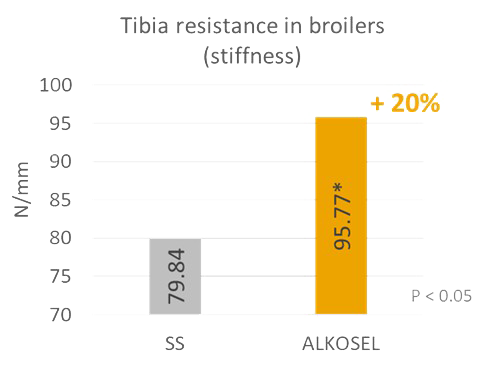
Figure 1. Tibia resistance (stiffness) in broilers supplemented with selenium-enriched yeast or sodium selenite (SS)
Make the Move: Stronger Bones Start with Organic Selenium
Consider transitioning from inorganic to high-quality organic selenium sources, ensuring the products contain 97-99% organic content with minimum 63% selenomethionine. This investment in skeletal health pays dividends through reduced lameness, improved bird welfare, and enhanced production longevity.
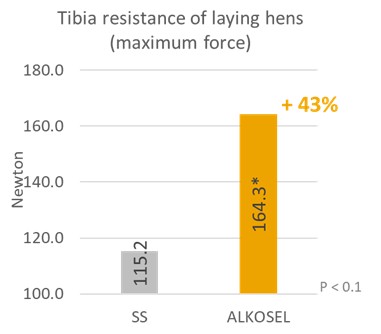
Figure 2. Tibia resistance of laying hens (maximum force)
References
- 1 Lallemand (2018b) Comparative study of different selenium sources: muscle and tibia Se concentration in broilers. Currently under submission (Leukert et al.,2026)
- 2 Barbé, F., Sacy, A., Chevaux, E. and Castex, M. (2018) Improvement of bone quality in laying hens and broilers supplemented with rganic selenium. Unpublished work, Lallemand Animal Nutrition.
Published Nov 19, 2025