Blog | Reading Time 3 minutes
Improving feed efficiency at grazing through better rumen stability
Whist the cows may be happy to be out and about, a change to lush, lower fibre grass is a challenge for the rumen. The resulting loose, liquid manure isn’t just a hazard in the milking parlour, it is a sure sign that cows may not be making the most of the feed they’re eating. Loose manure suggests reduced rumen efficiency, especially if gas bubbles or undigested fibre are seen.
The switch from winter TMR to lush spring grass creates a major impact on the rumen microbiota, increasing the risk of acidosis. Research shows that supporting fibre digestion and helping stabilise rumen pH with the rumen‑specific live yeast Levucell SC can improve how effectively cows utilise their diet at grazing.
Live yeast trials at grazing
Studies have shown the benefits being achieved when Levucell SC is fed at grass. Results from an early study in Northern Ireland* showed a +2.3kg/cow/day improvement in cows fed the rumen-specific live yeast during the transition from winter diet to grazing compared to cows not fed the live yeast. (*Donaldson et al, 2000)
Kevin Gleeson and Anne Sugrue in Co. Tipperary run 147 mainly spring calving Holstein cows between a Lely A4 Robot and a herringbone parlour. They took part in a trial over four months, from May to August 2019.
The trial involved 55 robot-milked cows, 27 of which received Levucell SC (10 billion cfu/h/d) with their 5kgs of 14% cereal-based dairy nut, while the remaining 28 received no additional supplementation.
Trial Results
The results impressed: cows supplemented with Levucell SC produced on average 0.5L more milk per day with significantly higher fat and protein than non-supplemented cows. The table below shows the difference in milk yield and quality between the two groups:
| Milk performance at grass | Control | Levucell SC |
| Milk yield (kg/d) | 28.70 | 29.22 (+0.52) |
| Milk protein (%) | 3.39 | 3.43 |
| Milk fat (%) | 3.97 | 4.14 |
The additional milk solids versus the cost of the live yeast gave a return on investment of 6:1
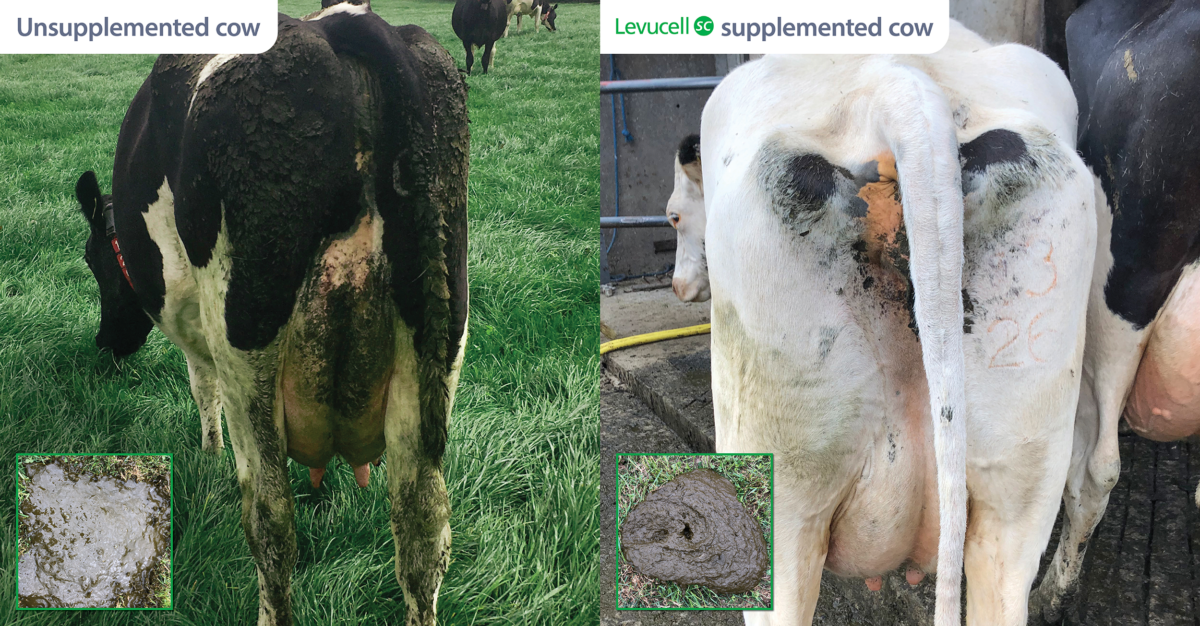
Once we saw the difference, we put our other herd onto Levucell SC. It didn’t take long for the cows to present much cleaner, showing they were utilising the grass better.
How Levucell SC can help
Levucell SC is a rumen‑specific live yeast strain (Saccharomyces cerevisiae CNCM I‑1077) selected for its ability to support fibre digestion and help maintain a more stable rumen environment. This helps cows make better use of grazed grass and supports consistent milk solids during spring grazing.
Levucell SC can be added to minerals, blends, compound feeds, or farm rations.
Pellet Stability
Like many biological feed additives, live yeast is sensitive to heat, moisture, pressure, and contact with certain minerals. These conditions are common in the pelleting process — especially for the higher‑fibre pellets often used at grazing — which will reduce yeast viability if not well protected.
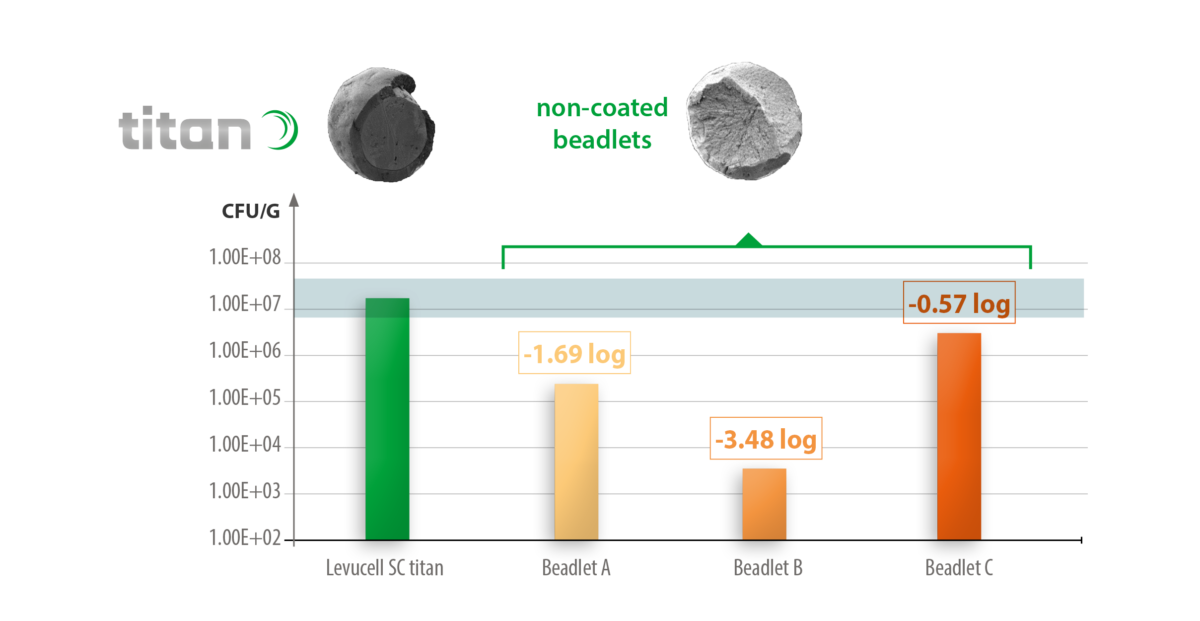
Levucell SC TITAN® is the only live yeast on the market protected using a patented micro‑encapsulation technology (TITAN) designed to improve stability during pellet manufacture and storage.
Pellet stability trials
Independent benchmarking studies have shown that TITAN‑coated Levucell SC demonstrates higher survival rates through pelleting compared with non‑coated “heat-resistant” yeast sources (data available on request). Consistent live yeast stability supports a reliable daily dose, helping cows utilise grazed grass more effectively.
How can Levucell SC benefit your dairy herd?
Contact our teamPublished Dec 29, 2025 | Updated Feb 16, 2026