Blog | Reading Time 3 minutes
Physio-Nutrition for Modern Pigs: Understanding Energy Metabolism, Protein Kinetics of Absorption And Fibre Fermentation in Swine Feeding
In today’s swine industry, optimising animal health and performance while maintaining sustainability and profitability is more important than ever. Understanding the physiological processes that drive efficiency and resilience in pigs is essential as producers face increasing pressures from rising feed costs, evolving regulations, and consumer demands for responsible farming.
David Saornil, Global Swine Application Manager

To address these challenges, we focus on interconnected pillars of swine nutrition and health: energy metabolism and gut inflammation, protein kinetics of absorption, and fibre fermentation and the role of the microbiota. These pillars are not just academic; they are practical levers for productivity and animal welfare.
Energy Metabolism and Gut Inflammation
Energy metabolism in pigs is a complex process involving nutrient breakdown for reproduction, health, and muscle synthesis. However, gut inflammation significantly impacts this process. Various factors trigger inflammation, from pathogens and toxins to heat stress, which redirects blood flow to the periphery, reducing nutrient availability to the gut.
Under healthy conditions, feed energy supports maintenance, growth, and milk production. During inflammation, energy is diverted from productive functions, which compromises growth, reproduction, and feed conversion efficiency.
The cost extends beyond energy. In healthy animals, only 0.5-2% of dietary lysine supports immune function. In animals with activated immune systems, this increases to 9% for acute phase protein synthesis. This demonstrates why maintaining animals under healthy conditions and avoiding chronic inflammation is crucial (Figure 1)
Protein Kinetics of Absorption
The kinetics of protein digestion, the speed at which proteins are broken down and absorbed, is particularly critical for piglets around weaning (Figure2). Their developing digestive systems require easily digested, quickly absorbed proteins to prevent digestive disorders and nutritional deficiencies.
While protein digestibility indicates global availability, it doesn’t reflect absorption timing in the gastrointestinal tract. When proteins aren’t digested quickly enough, they reach the large intestine undigested. There the gut microbiota breaks them down through a process called proteolytic fermentation, which produces harmful metabolites like biogenic amines and ammonia. These substances damage the gut barrier, impacting piglet health and increasing disease susceptibility.
Fibre Fermentation and Microbiota
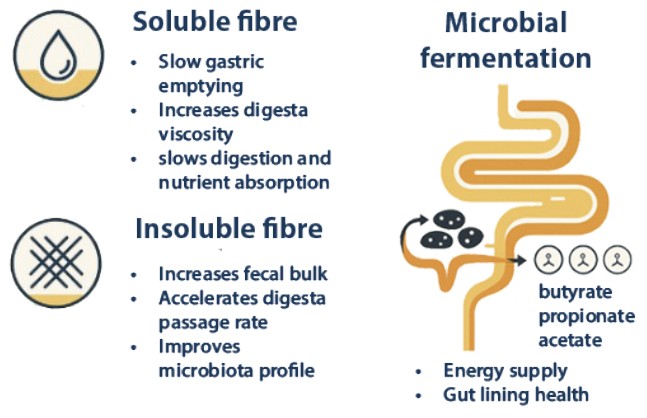
Dietary fibres significantly influence pig performance, affecting welfare, digestion speed, and genetic potential expression. Microbiota plays a crucial role in fibre valorisation through complex cross-metabolic processes. Specific cellulolytic bacteria utilise enzymes to degrade the complex carbohydrate structure of fibre, producing short-chain fatty acids (SCFAs), acetate, propionate, and butyrate, which serve as an energy source.
The fibre family includes soluble and insoluble types with different properties. Soluble fibres slow gastric transit and create gel-like texture that can decrease digestibility. Insoluble fibres speed digestion and provide bulk effects with water-holding capacity. Balancing these fractions is essential for optimal gut function (Figure 3).
Expert Advice
Prioritise gut health as your foundation. A healthy gut is a prerequisite for efficient energy metabolism and protein utilisation. Consider nutrient delivery timing, particularly during weaning when digestive capacity is limited. Invest in strategies that support beneficial microbial populations while managing fibre fermentation. Monitor systematically beyond growth performance to include gut health and metabolic efficiency indicators. Think of nutrition as a connected system, changing one part of the diet can affect many others. That’s why integrated feeding strategies are essential to get the best results in animal welfare, performance and efficiency.
Figure 1. Energy Cost of Inflammation
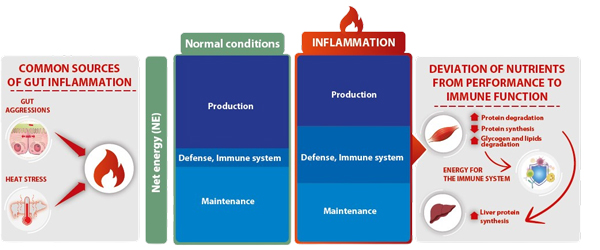
Figure 2. Why timing matters: protein digestion in piglets.
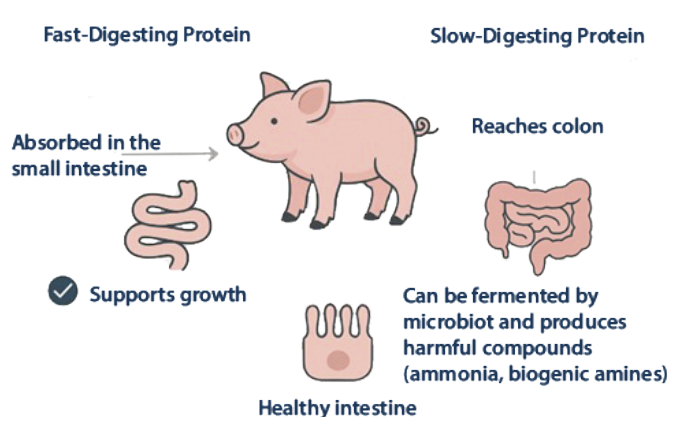
Figure 3. Feeding the microbiota: how fibre shapes gut health
Published Dec 8, 2025