Blog | Reading Time 2 minutes
Positive Biofilms: A Game-Changer for Biosecurity in Pig Farming
Biosecurity in pig farming is critical for securing animal welfare, health, and performance. While standard biosecurity protocols are well-established, recent research suggests that more can be offered. Lallemand has developed a complementary tool to those standard biosecurity practices: positive biofilms.
Traditional disinfection leaves farm surfaces nearly sterile, but residual microbiota can rapidly recolonize, potentially leading to unfavorable microbial conditions. The positive biofilm approach inoculates disinfected surfaces with beneficial bacteria capable of forming protective biofilms and occupying vacant ecological niches, stabilizing the microbial environment on farm surfaces.
Innovative Solution for Positive Biofilm Inoculation
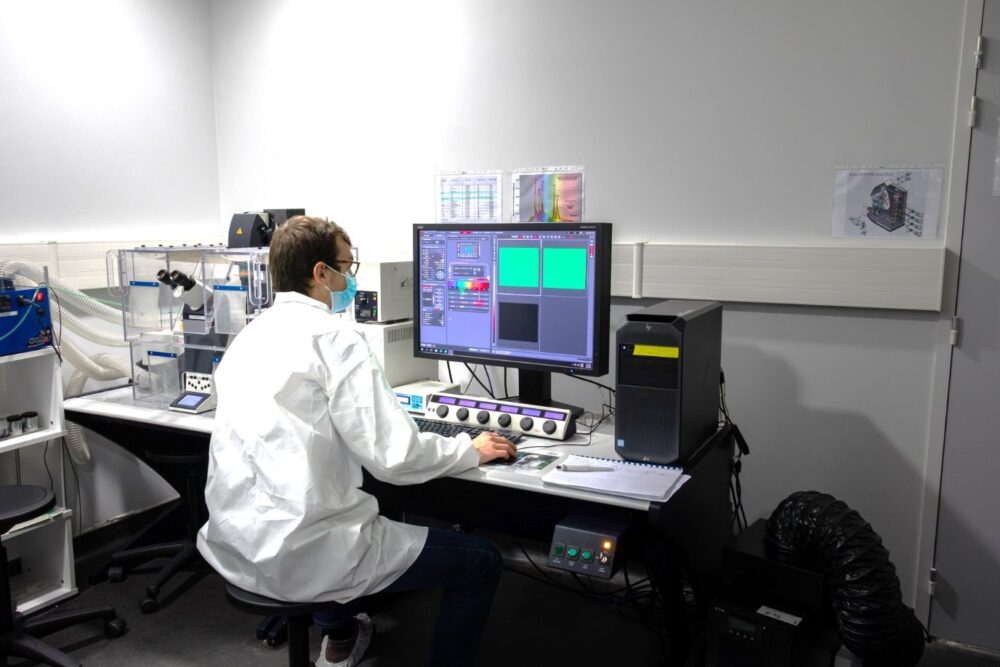
Lallemand Biofilm Center of Excellence
Large-Scale Trial Results
In 2024, Lallemand Animal Nutrition researchers conducted a comprehensive trial involving 438 Danbred sows across four successive batches.1 The study compared standard biosecurity protocols to enhanced protocols incorporating beneficial bacterial applications after cleaning and disinfection —before sow entered the barn and 24 hours after farrowing.
Microbiological Analysis
Advanced genetic sequencing techniques revealed that positive biofilm applications beneficially impacted environmental microbiota, with effects extending to sow udder skin microbiota and piglet surrounding at birth . Through sophisticated statistical analysis, researchers identified significant changes in 32 out of the 91 bacterial families analyzed.
Sows of the treated nursery barns showed reduced presence of potentially undesirable bacteria, including Staphylococcaceae, Porphyromonadaceae, and Fusobacteriaceae on day 1; Helicobacteraceae from days 1-7; and Corynebacteriaceae and Dietziaceae on day 7. This reduction indicates that an enhanced biosecurity approach can influence environmental microbial balance in key areas of swine production.
Performance Improvements Reflect Microbial Benefits
As a result of reduced microbial pressure, piglets born in farrowing pens receiving the positive biofilm demonstrated significantly better performance compared to control.
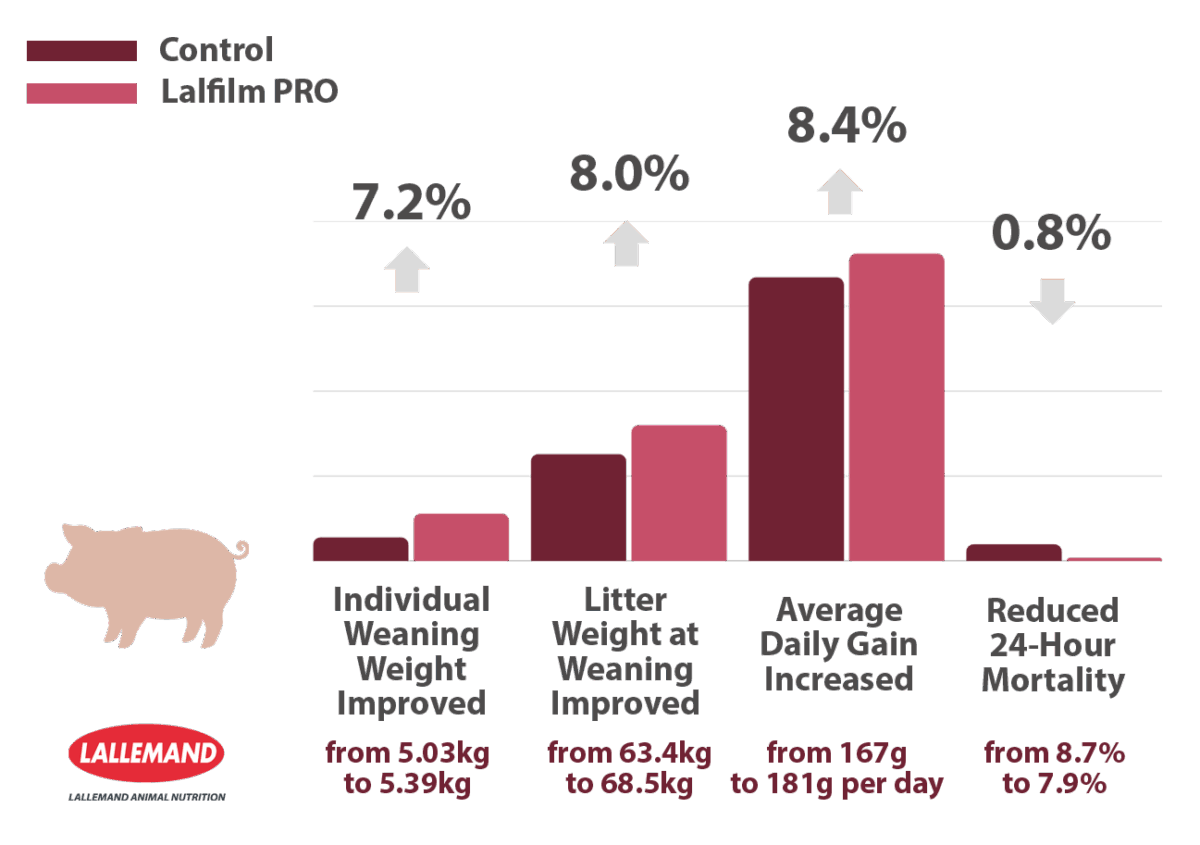
Figure 1. Piglet performance boost with positive biofilm application
Performance advantages continued post-weaning, with treated piglets averaging 21.2kg versus 20.7kg at 35 days.
Implications for Modern Pig Production
This study confirms that positive bacterial consortia in maternity areas rooms provide real benefits on the microbial environment. These beneficial effects contribute to maintaining welfare, health, and performance of both sows and piglets, offering significant economic and operational advantages while providing a science-based enhancement to traditional biosecurity protocols.
References
1Achard, C. Study B16 – Effects of Spraying a Bacterial Inoculant in Maternity Rooms on the Performance of Sows and Piglets, trans. from the original presented at the JRP 2025 Conference (Paris: Journées de la Recherche Porcine, 2025), https://www.journees-recherche-porcine.com/texte/2025/posters/b16_Achard.pdf
Published Nov 6, 2025 | Updated Feb 2, 2026